What Is a Combination Vehicle? A Complete CDL Guide
Summary:
A combination vehicle is a commercial vehicle made up of a powered tractor and one or more trailers, with Class A CDL requirements generally applying when the combined weight rating reaches 26,001 pounds or more and the trailer exceeds 10,000 pounds. Drivers must understand coupling systems, air brakes, endorsements, off-tracking, wide turns, and jackknifing risks to operate these vehicles safely. Proper ELDT training, written testing, pre-trip inspections, and behind-the-wheel practice are essential for earning a Class A CDL and handling combination vehicles confidently.
We still remember the first time we climbed into the driver’s seat of a full-sized commercial rig. Seeing fifty-three feet of trailer stretching out behind us in the side mirrors was incredibly intimidating. Every time you pass a huge 18-wheeler on the interstate, you are looking at the backbone of the American supply chain. We call them combination vehicles.
For anyone stepping into commercial driving, the actual legal definitions can get quite confusing. Where exactly does a standard delivery truck end and a combination rig begin? More importantly, when does the law require you to hold a Class A license?
Driving these rigs takes serious mechanical know-how. You are managing two entirely separate units connected by a heavy steel pin. Let’s break down exactly what you need to know.
What Is a Combination Vehicle? (Definition & Core Concept)
The Fundamental Definition: Power Unit and Towed Unit
A combination vehicle is an articulated commercial motor vehicle consisting of two distinct parts. You have a powered lead vehicle doing the pulling, mechanically coupled to one or more trailing units carrying the payload.
Think of the tractor as the muscle and the trailer as the backpack. The tractor houses the engine, drive axles, and cab. The trailer is essentially just a giant box, tank, or flatbed on wheels.
Under FMCSA regulations, this definition matters because that center pivot point completely changes how the vehicle handles. A rig requires a Class A CDL if the Gross Combination Weight Rating reaches 26,001 or more pounds, provided the towed unit is rated over 10,000 pounds.
Combination Vehicles vs. Straight Trucks: Key Differences
Structural and Mechanical Differences
What makes a combination rig physically different from a standard straight truck?
It completely comes down to the chassis. A straight truck has the cab and cargo box built onto one continuous steel frame. When you steer, the entire truck follows one path.
A combination vehicle splits the job. The tractor and trailer have independent frames connected by heavy coupling hardware. When you look at the Class B vs Class A CDL differences, this pivot point is the main reason combinations require advanced training. The rig bends in the middle, meaning the rear trailer wheels do not follow the exact track of the tractor.
Common Types and Examples of Combination Vehicles
The Standard Tractor-Trailer
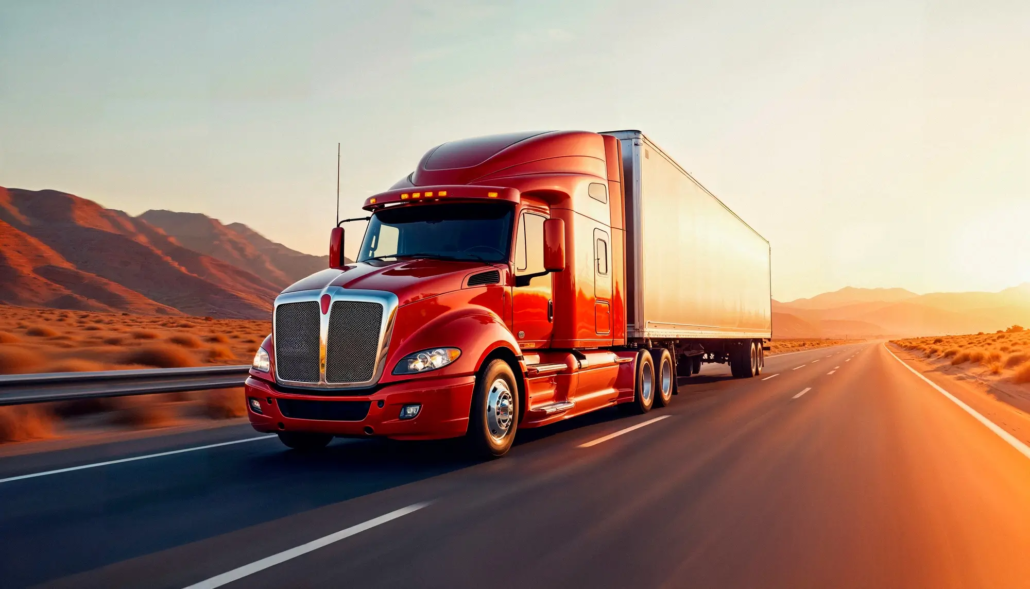
The most common example is the standard 18-wheeler. This is a heavy highway tractor connected to a dry van or refrigerated trailer. The trailer’s front rests directly over the tractor’s rear drive axles.
Specialized Commercial Combinations
Tanker trailers haul bulk liquids. Driving these requires different skills because the liquid sloshes around inside. We call this liquid surge. If you brake too hard, that rolling weight can physically push your truck right through an intersection.
Flatbeds are open platforms used for hauling oversized freight, lumber, or heavy machinery that simply will not fit inside a standard box trailer.
Multi-Trailer Configurations
You will also see doubles and triples on the highway. This is a single tractor pulling two or three linked trailers. These setups require incredibly smooth steering because any sudden movement gets violently amplified by the time it reaches the last trailer.
CDL Requirements: What License Do You Need?
Class A CDL Weight Thresholds
When do you actually need a Class A license? The federal government looks strictly at weight ratings.
You cross into Class A territory if your total Gross Combination Weight Rating hits 26,001 pounds or more, as long as the towed trailer is rated over 10,000 pounds.
If you drive a heavy dump truck but pull a small wood-chipper trailer rated under 10,000 pounds, you generally stay in Class B territory.
Understanding Endorsements
Depending on what freight you haul, you will need specific endorsements. Pulling tankers requires an N endorsement, and doubles require a T endorsement. Since almost all heavy rigs use pressurized air to stop, you must deeply understand the pneumatic mechanics covered in a proper air brake endorsement guide to avoid getting a restriction placed on your license.
Crucial Mechanics: How Combination Vehicles Connect
The Coupling System
Hooking these units together safely is crucial. The physical link relies on the tractor’s fifth wheel plate and the trailer’s kingpin.
The fifth wheel is a greased metal plate sitting over the rear axles. Underneath the trailer is a thick steel pin. When you back up, the fifth wheel slides under the trailer, and the locking jaws clamp shut around the kingpin.
We always stress the visual check to our students. Never trust the pull handle alone. Get underneath with a flashlight and physically verify those metal jaws are fully wrapped around the kingpin shank.
Air Brake Systems
Once physically connected, you must hook up the air lines. Combination vehicles use air to power trailer brakes via a red emergency line and a blue service line. Following a strict CDL pre-trip inspection guide ensures you never hit the road with crossed lines. If air pressure fails, the trailer spring brakes lock automatically to prevent a runaway vehicle.
Unique Driving Challenges and Safety Dynamics
Off-Tracking and Wide Turns
Because trailing axles cannot steer, they track inside the path taken by the tractor. We call this off-tracking.
If you turn right at a tight city intersection, your trailer wheels cut significantly closer to the curb. To handle this, execute a buttonhook turn. Pull straight out into the intersection before cranking the wheel right, keeping the trailer safely off the curb.
Jackknifing Risks
Combination vehicles are highly prone to jackknifing. If you slam the brakes on an icy road and the tractor’s drive wheels lock up, the truck slides sideways while the heavy trailer pushes forward. Proper following distance and smooth braking are the only ways to prevent this from happening.
How to Pass the CDL Combination Vehicles Test
Written Knowledge Exam
To get your permit, you must pass a written DMV test focusing entirely on combination vehicles. It evaluates your practical understanding of pneumatic air lines, skid control, and daily coupling procedures.
Practical Skills Test
Before scheduling your behind-the-wheel test, federal law requires you to complete approved Entry-Level Driver Training (ELDT). During the yard test, the examiner watches you perform a full pre-trip inspection, test brake leaks, and back a 53-foot trailer safely into an alley dock.
Why Choose Doaba Truck Driving School?
Operating an 80,000-pound rig demands absolute precision and muscle memory. You cannot learn this from a textbook alone.
At Doaba Truck Driving School in Northern California, we turn ambitious students into confident, safety-first commercial drivers. Our comprehensive Class A CDL training program is fully compliant with all federal mandates.
You will learn on modern tractors and full size trailers with regular air brakes. Our experienced teachers give one-on-one tutoring to learn the toughest tasks like parallel parking and double-clutching. We have a long track record of helping drivers secure their licenses and step right into high-paying logistics careers.
Frequently Asked Questions
Q. What is considered a combination vehicle?
A. A combination vehicle consists of a powered motor unit connected to one or more towed units, like a truck pulling a cargo trailer on the highway.
Q. Is a tractor-trailer a combination vehicle?
A. Yes. A heavy tractor coupled to a semi-trailer via a fifth wheel mechanism is the most common commercial combination vehicle.
Q. What CDL do you need to drive a combination vehicle?
A. You need a Class A CDL if the combined weight rating is 26,001 or more pounds, provided the towed unit exceeds 10,000 pounds.
Q. What is the difference between a straight truck and a combination vehicle?
A. A straight truck has its cab and cargo area built onto a single solid frame. A combination vehicle consists of separate units joined by a hitch.
Q. Do you need a special endorsement for combination vehicles?
A. Driving standard combinations requires passing the written CDL Combination Vehicles test. Pulling double or triple trailers requires an additional T endorsement.
Q. What is the difference between GCWR and GVWR?
A. GVWR is the maximum operating weight rating of a single vehicle. GCWR is the maximum allowable combined weight rating of the powered vehicle plus its towed unit.
Q. What causes a combination vehicle to jackknife?
A. A jackknife happens when the tractor’s drive wheels lock up on slick surfaces or when strong braking is applied, which causes the rig to move laterally and fold out of alignment.
Q. What is off-tracking in a combination vehicle?
A. The trailer’s rear wheels tend to follow a tighter, shorter line than the front steer wheels of the tractor, causing off-tracking in turns.
Q. What do the blue and red air lines do on a combination rig?
A. The blue line is the service line that controls the trailer brakes when you step down on the foot pedal. The red line is the emergency supply line that fills the air tanks on the trailer.
Q. What does the CDL Combination Vehicles test cover?
A. This test will evaluate your knowledge of rollover hazards, safe driving techniques, air brake systems, off-tracking and proper methods for coupling and uncoupling trailers safely.
Final Thoughts: Taking the Wheel of a Combination Vehicle
Understanding exactly how combination vehicles operate is the foundation of a solid commercial driving career. From mastering the fifth wheel connection to acing your air brake tests, the right training makes all the difference. Respect the size of the rig, take your wheel time seriously, and you will be well on your way to a highly successful career on the open road.
If you are ready to get out of the classroom and into the driver’s seat, reach out to our instructors at Doaba Truck Driving School. Contact us today to schedule your free behind-the-wheel evaluation and take the first real step toward a high-paying commercial driving career.


Leave a Reply
Want to join the discussion?Feel free to contribute!